
How to read a Dubai payment plan, 70/30, 60/40 and post handover
- 70/30 means 70% paid during construction and 30% at handover.
- Ask for the full instalment schedule in writing, attached to the sales agreement.
- A mortgage on a property bought off plan is capped at 50% of its value.
Almost every off plan project in Dubai is sold with a payment plan. The plan is written as two numbers, such as 70/30 or 60/40. Those two numbers look simple, but they hide most of what matters: how much you pay on day one, how often you pay after that, and what you owe when the keys arrive.
This guide explains how to read a plan, what the law says if a buyer stops paying, and how a bank loan fits in at handover. It ends with a worked cash flow on a 1,500,000 AED unit.
What the two numbers mean
The first number is the share of the price paid during construction. The second number is the share paid at or after handover.
- 70/30 means 70% during construction and 30% at handover.
- 60/40 means 60% during construction and 40% at handover.
- 50/50 means half during construction and half at handover.
- 80/20 means 80% during construction and 20% at handover.
Gulf News lists 50/50, 60/40 and 70/30 among the structures most in demand in 2026. The National also names 80/20.
A post handover plan moves part of the balance after the keys. You collect the unit, then keep paying the developer in instalments for a period set in the contract.
What the headline does not tell you
Two plans with the same numbers can feel very different. The split says nothing about rhythm. Always ask for the full instalment schedule, in writing, attached to the Sales and Purchase Agreement.
A typical schedule has four blocks:
- Booking deposit. The National reports a usual initial deposit of 10 to 20% on booking.
- Dubai Land Department fee. 4% of the price. Gulf News reports it is paid when the Sales and Purchase Agreement is signed. It is not part of the plan percentages, so it comes on top.
- Construction instalments. Either on fixed dates, or linked to construction milestones.
- Handover payment. The balance, due when the unit is complete, unless part of it is post handover.
The difference between date linked and milestone linked instalments matters. With fixed dates, you keep paying even if the site slows down. With milestone payments, you pay when the project reaches a stage, such as 20% or 50% completion. Khaleej Times reports that developers are moving towards construction linked plans in 2026, and that 70/30 and 80/20 are expected to become standard among the largest developers.
You can check the declared completion of a registered project yourself on the Dubai Land Department Project Status Enquiry service. It is free and open to anyone.
Where your instalments go
Under Dubai Law No. 8 of 2007, payments made by off plan buyers are deposited in an escrow account dedicated to the project. Pay only into the escrow account named in your contract. A payment made anywhere else does not carry that protection.
The same law holds back 5% of each escrow account after the completion certificate. It is released one year after the units are registered.
Escrow protects the use of your money. It does not fix the handover date. Our guide to Dubai property fees, Oqood and escrow explains this in more detail.
Worked example on a 1,500,000 AED unit
Here are three plans on the same 1,500,000 AED unit. The booking shares come from the 10 to 20% range reported by The National. The construction instalments are illustrative. The DLD fee is 4%, so 60,000 AED, and we assume the buyer pays all of it, as the market reports is usual.
| Payment | Plan A, 60/40 | Plan B, 70/30 | Plan C, 60/40 with 40% post handover |
|---|---|---|---|
| Booking | 10%, 150,000 AED | 20%, 300,000 AED | 10%, 150,000 AED |
| DLD fee at signing | 60,000 AED | 60,000 AED | 60,000 AED |
| Cash out on day one | 210,000 AED | 360,000 AED | 210,000 AED |
| Construction instalments | 50%, 750,000 AED | 50%, 750,000 AED | 50%, 750,000 AED |
| At handover | 40%, 600,000 AED | 30%, 450,000 AED | 0 AED |
| After handover | 0 AED | 0 AED | 40%, 600,000 AED over 24 months, so 25,000 AED a month |
| Total price paid | 1,500,000 AED | 1,500,000 AED | 1,500,000 AED |
Each plan adds up to the same price. What changes is when the cash leaves your account.
Plan A keeps the most cash in your hands during construction, but leaves 600,000 AED to find at handover. Plan B asks for 150,000 AED more on day one and leaves 450,000 AED at the end. Plan C removes the handover lump sum and replaces it with two years of monthly payments of 25,000 AED.
The 24 month period in Plan C is an illustration. Post handover periods are set by each developer.
Paying the handover balance with a mortgage
Many buyers plan to pay the handover balance with a bank loan. The UAE Central Bank sets the limits.
- For a mortgage on a property bought off plan, the maximum loan to value is 50%, whatever the buyer's profile.
- For an expatriate buying a first home worth up to 5 AED million, the maximum is 80%.
- For an expatriate's second or subsequent property, the maximum is 60%.
- The maximum tenor of a mortgage is 25 years.
In Plan A, the 600,000 AED due at handover is 40% of the price. That is within all three limits on paper. The bank still lends against its own valuation, not your purchase price. If the bank values the unit below the price, the loan shrinks and you pay the difference in cash.
Gulf News reports that mortgage pre approval generally takes three to seven working days and is valid for 60 to 90 days. Ask for pre approval close to the handover date, not at booking.
A mortgage also brings its own fees, including 0.25% of the loan for registration at DLD. On a 600,000 AED loan, that is 1,500 AED, plus fixed charges.
What happens if you stop paying
This is the part of a payment plan that few brochures mention. Dubai law sets what a developer may keep if a buyer defaults.
Law No. 19 of 2017 amended the law on the interim real estate register. The official explanatory notes on its Article 11 set out the steps. The developer must first give the buyer 30 days' notice to meet the contract obligations. After that, what the developer may retain depends on how far the project has progressed.
| Project completion | What the developer may retain |
|---|---|
| Above 80% | All amounts paid, and claim the balance, or ask for an auction sale, or retain up to 40% of the unit value |
| Between 60% and 80% | Up to 40% of the unit value |
| Below 60%, work started | Up to 25% of the unit value |
| Work not started | Up to 30% of the amounts paid by the buyer |
Source, Dubai Legislation Portal, explanatory notes on Article 11 of Law No. 19 of 2017, read September 2026.
The notes also say that any refund to the buyer is due within one year of termination, or within 60 days of the unit being resold, whichever comes first.
On a 1,500,000 AED unit, 25% of the value is 375,000 AED and 40% is 600,000 AED. In Plan A, a buyer who stops after the booking and three quarters of the construction instalments has paid 712,500 AED. On a project between 60% and 80% complete, the developer may retain up to 600,000 AED of it.
A plan with small, regular instalments is only comfortable if you are sure to reach the end of it. Have the whole schedule financed before you sign.
Which plan suits which buyer
- A buyer with cash available. A plan weighted to construction, such as 70/30 or 80/20, finishes early. Ask whether the developer offers a better price for it.
- A buyer who will use a mortgage. A plan weighted to handover, such as 60/40 or 50/50, leaves room for a bank loan at the end. Remember the loan to value limits above.
- A buyer who wants to rent the unit. A post handover plan lets rent cover part of the instalments. It only works if the unit is rented on time.
- A buyer who may resell before completion. Developers usually require a minimum share of the price to be paid before they allow a resale. That share is reported by the market at 30 to 40%, and it varies. Ask for the developer's rule in writing.
The payment plan is only one side of the choice. Compare it with buying a finished unit in our guide to off plan versus ready in Dubai.
Mistakes to avoid
- Reading only the headline split. Get the full schedule with dates or milestones.
- Forgetting the 4% on day one. It is not inside the plan percentages.
- Treating post handover as a discount. It is a debt to the developer that continues whether the unit is rented or empty.
- Counting on a mortgage for the full balance. The bank lends on its own valuation and within Central Bank limits.
- Overlooking default rules. Depending on progress, a developer may keep up to 40% of the unit value.
- Planning around a brochure date. Handover dates move, and a date linked plan keeps running. Check the developer's track record on our project pages and in our guide on how to check a Dubai developer.
The figures in the worked example are illustrations built on the ranges quoted. The exact schedule, fees and conditions are set by each developer and by the contract. Confirm them on your Sales and Purchase Agreement before you pay anything. This page is general information, not legal or financial advice.
Questions
What does a 70/30 payment plan mean in Dubai?
You pay 70% of the price during construction and 30% at handover. The 4% DLD fee is paid on top, usually when the contract is signed.
Is 60/40 better than 70/30?
Neither is better in itself. 60/40 keeps more cash with you during construction but leaves a larger sum at handover. 70/30 does the opposite. Compare the full schedules and the price offered with each.
What is a post handover payment plan?
It is a plan where part of the price is paid after you receive the keys, in instalments to the developer. Gulf News reports, citing developer research, that such plans are becoming less common in 2026.
Can I use a mortgage to pay the handover balance?
Often, yes. The Central Bank caps loans on off plan purchases at 50% of the value, and at 80% for an expatriate's first home up to 5 AED million. The bank lends on its own valuation.
Do payment plans change the fees I pay?
No. The DLD fee is 4% of the price whatever the plan. See our fees guide for the full list.
Off plan projects to compare
Compared on official Dubai Land Department figures
Post-handover payment plan
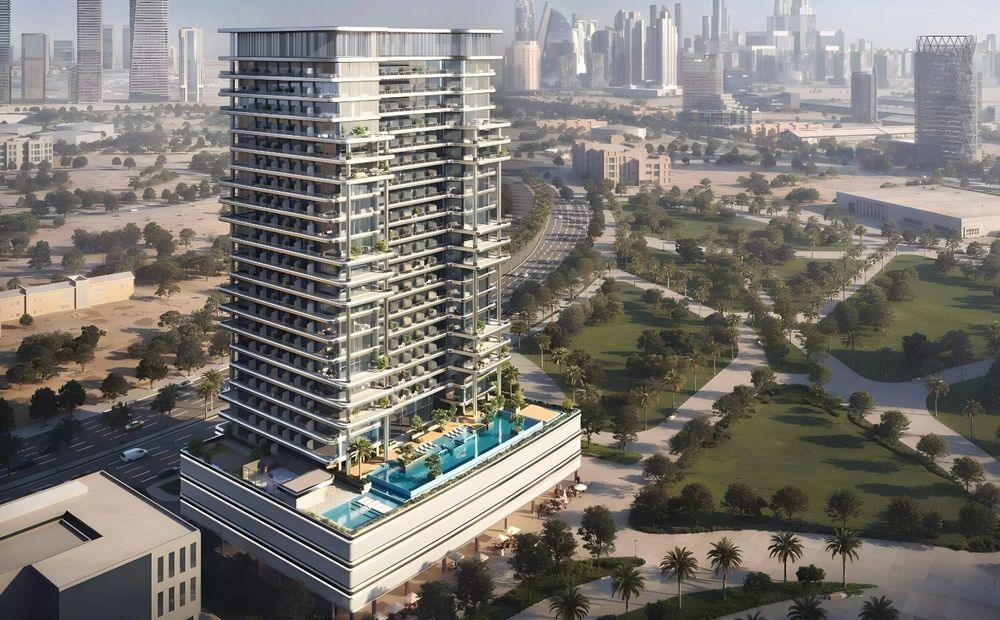
 Samana Boulevard Heightsfrom 693,000 AEDHandover Q1 2029
 Binghatti Hillsidefrom 775,999 AEDHandover Planned Q3 2026
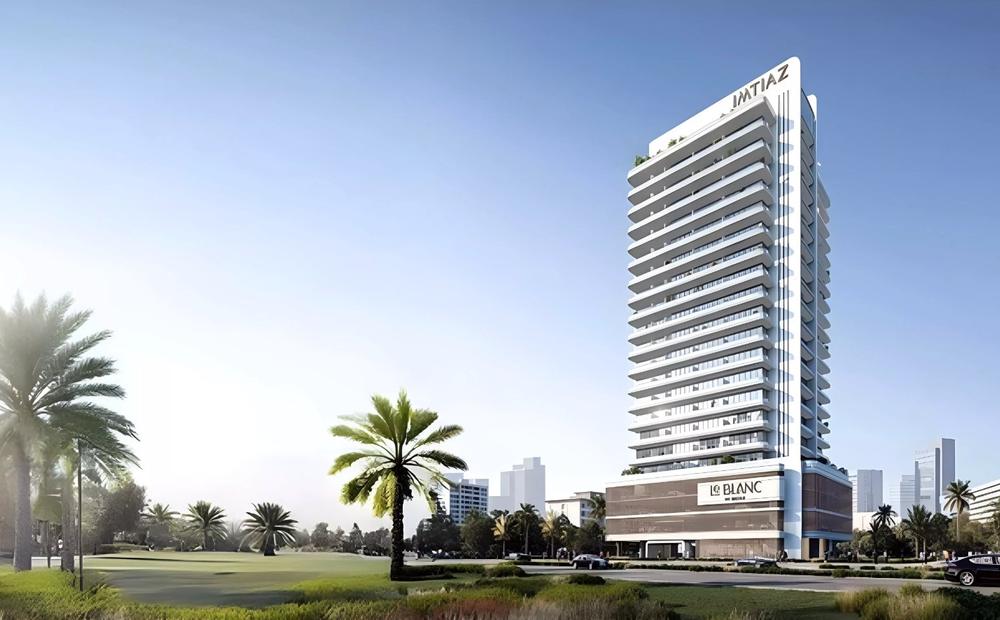 Le Blanc Residence by Imtiazfrom 799,179 AEDHandover Q2 2028
Handover in 2027
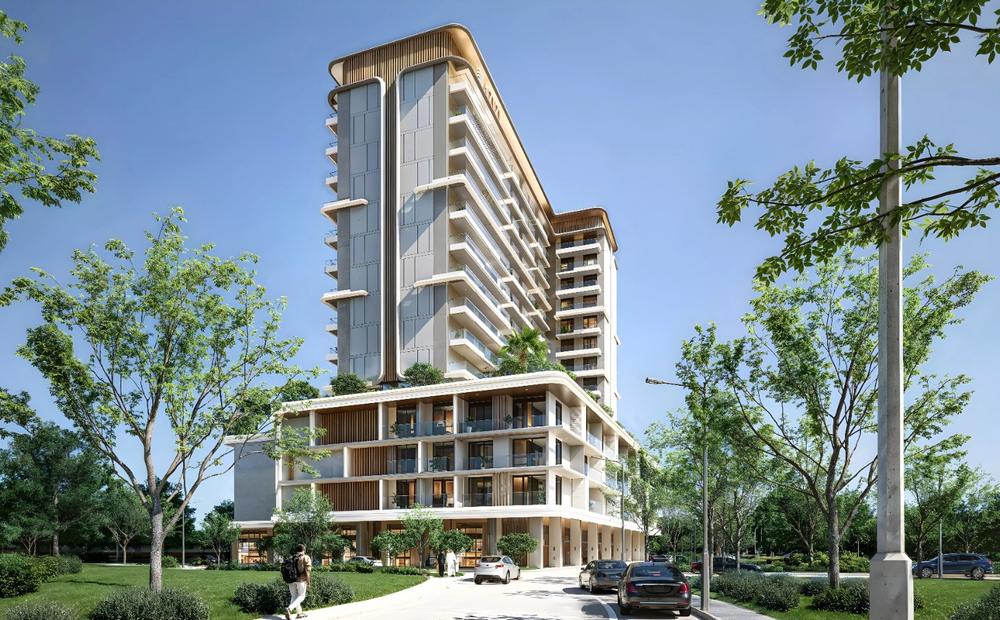 Azizi Nourafrom 570,000 AEDHandover Q4 2027
 Binghatti Skyflamefrom 585,000 AEDHandover Q4 2027
 Azizi Milan 30from 592,000 AEDHandover Q2 2027
Handover in 2028
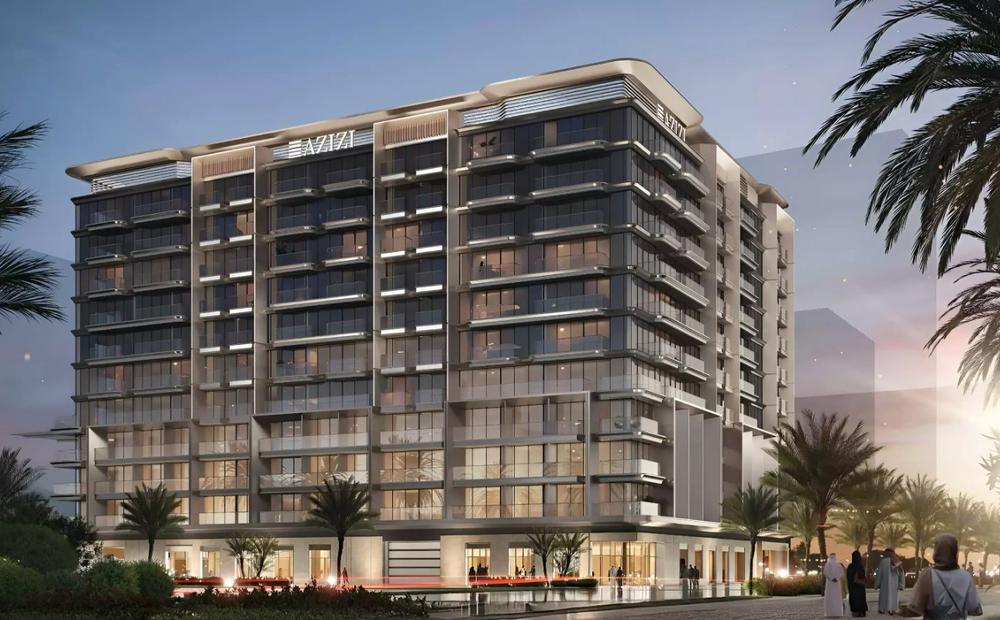 Azizi Waresfrom 555,000 AEDHandover Q1 2028
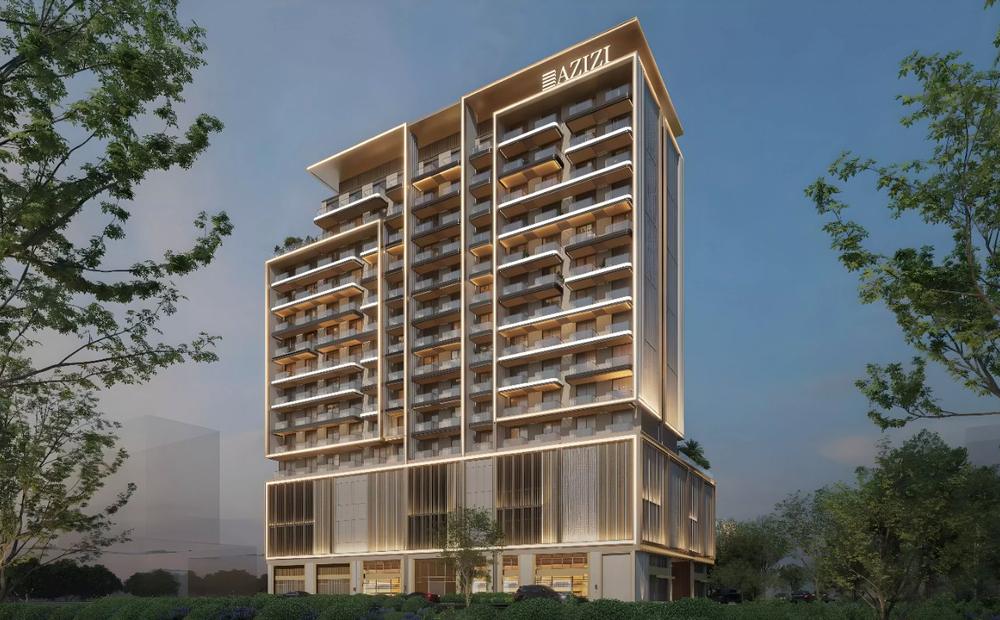 Azizi Gabrielfrom 564,000 AEDHandover Q4 2028
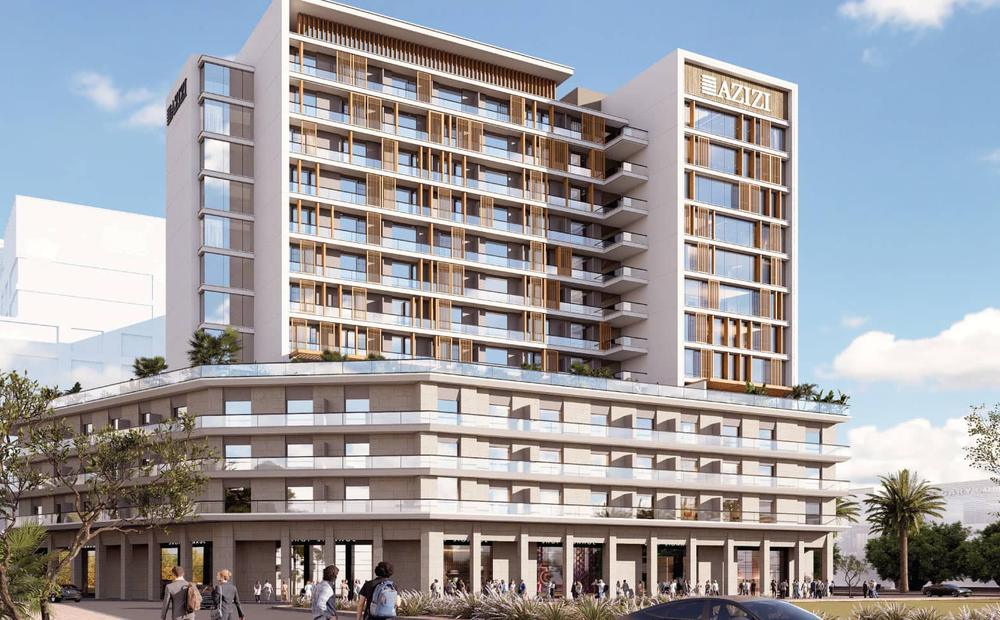 Azizi Linafrom 572,000 AEDHandover Q3 2028
Sources
- The National, How buying off plan property is now an alternative to mortgage financing, read September 2026
- Gulf News, From fees to handover, what off plan buyers in Dubai must know, read September 2026
- Khaleej Times, Dubai property developers move from post handover to construction linked payment plans, read September 2026
- Central Bank of the UAE Rulebook, Regulations regarding mortgage loans, read September 2026
- Khaleej Times, Can you buy property in UAE with no down payment, what the law says, read September 2026
- Dubai Legislation Portal, Explanatory notes on Article 11 of Law No. 19 of 2017, read September 2026
- Dubai Legislation Portal, Law No. 8 of 2007 concerning escrow accounts for real estate development, read September 2026
- Dubai Land Department, Project Status Enquiry, read September 2026
- Dubai Land Department, Mortgage registration application, read September 2026
- Dealr, Dubai off plan fees, DLD 4%, Oqood, trustee, NOC, read September 2026