
How to check a Dubai developer before you buy off plan
- Check that the developer and the project are registered with the Dubai Land Department.
- Pay only into the project escrow account named in your contract.
- Read the delivery record: active projects past their registered completion date.
When you buy off plan, you are buying a promise. The developer promises to build, to finish on time and to hand over what the brochure shows. Checking that promise is the most important step in any off plan purchase.
This guide shows how to do it with public sources. It covers registration, escrow, the delivery record and the questions to ask a sales office. It also shares figures from the Dubai Land Department project registry, analysed by Property Radar in September 2026.
Three questions, in order
- Is the developer and the project registered? If not, stop.
- Is your money protected? Payments should go into a project escrow account, not the developer's general account.
- Has this developer delivered before, and on time? Past delivery is the best evidence you have.
Everything else, the renders, the brand partnership, the launch event, tells you little about whether you will receive keys. A strong answer to all three questions does not guarantee the outcome. A weak answer to any of them is a reason to slow down.
Step 1, check registration
Under Dubai Law No. 8 of 2007, developers must be licensed and registered with the Dubai Land Department before selling off plan. To register a project, a developer submits documents including the title deed, approved designs and audited financial statements. The same law prohibits advertising off plan units without the department's authorisation.
Dubai Land Department explains that you can check approved developers on its website and in the Dubai REST app. It also offers a project tracking service. You enter the plot number, project number or project name. The result shows the completion status, the completion percentage and the project plans.
Do this check yourself. Do not rely on a screenshot sent by a seller. Make sure the project name, the plot and the developer on the official record match the sales documents you are given.
Step 2, check the escrow account
Escrow is the core protection for off plan buyers in Dubai. Law No. 8 of 2007 requires off plan payments to be deposited into an escrow account for the specific project. The account is held by an accredited bank or financial institution. The law states that the funds are dedicated to the construction of that project. Creditors of the developer cannot seize them.
Two practical points follow.
- Pay only into the project escrow account. The account number should appear in your sale contract. Never transfer instalments to a personal account or to the developer's operating account.
- Know what happens after completion. Dubai Land Department says 5% is retained in escrow for one year after completion, to cover defects. The law describes it as 5% of the escrow account value, released one year after units are registered in buyers' names.
Escrow protects how your money is used. It does not guarantee that the project finishes on schedule.
Step 3, check the delivery record
This is where the Dubai Land Department project registry is most useful. It lists each project with a registered completion date. When an active project is still not complete after that date, it has overrun its registered schedule.
The table shows, for eight developers, how many of their active projects were past the registered completion date in September 2026.
| Developer | Active projects past registered completion date | Active projects | Share |
|---|---|---|---|
| Binghatti | 14 | 36 | 38.9% |
| Ellington | 6 | 22 | 27.3% |
| Danube | 4 | 15 | 26.7% |
| Azizi | 10 | 52 | 19.2% |
| Samana | 6 | 40 | 15.0% |
| Damac | 2 | 62 | 3.2% |
| Emaar | 2 | 79 | 2.5% |
| Sobha | 0 | 18 | 0.0% |
Source, Property Radar analysis of Dubai Land Department open data, September 2026. The shares are calculated from the two counts. A project past its registered date is not necessarily stalled. Registered dates can be amended, and a project may be close to handover. Read the figure as a question to ask, not a verdict.
How to read it. A high share means more of the developer's current projects have overrun their registered dates. A low share means fewer have. Scale matters too. Two overdue projects out of 79 is a different picture from two out of 15.
For each developer, our developer pages show the projects delivered, the units behind them and the volume under construction. Look at the whole record, not a single number.
Step 4, check where the developer prices sit
A developer's off plan price can be compared with the resale market in the same community. If a developer's units trade well above the community median, that can reflect a better product. It can also be a premium you will not recover when you sell.
Our project pages show each project next to the community's registered resale and rent benchmarks. The Property Radar score out of 100 uses the same public criteria for every project. The methodology page explains each criterion.
What the law says if things go wrong
Off plan sales are recorded on the interim real property register under Law No. 13 of 2008. Law No. 19 of 2017 amended the rules on what happens when a buyer defaults. The developer must give 30 days' notice. If the buyer still does not pay, the developer may terminate and keep part of the money, depending on progress.
| Project progress | What the developer may keep on termination |
|---|---|
| 80% complete or more | Up to 40% of the unit value, or other remedies |
| 60% to 80% complete | Up to 40% of the unit value |
| Below 60%, work started | Up to 25% of the unit value |
| Not started, through no fault of the developer | Up to 30% of the amounts paid |
The balance must be refunded within one year of termination or within 60 days of resale to another buyer, whichever is earlier.
If the developer is late, the buyer has remedies too. Khaleej Times explains that buyers can seek conciliation through the Dubai Land Department or go to court for compensation, subject to contract terms and any force majeure defence. Read the delay clauses in your contract before you sign.
A worked example
Suppose you buy an off plan unit for 1,200,000. AED You have paid 30%, or 360,000. AED The project is 50% complete when you can no longer pay the next instalments.
- The project is below 60% complete and work has started.
- The developer may keep up to 25% of the unit value.
- 25% of 1,200,000 AED is 300,000. AED
- You paid 360,000. AED So at least 60,000 AED must be refunded.
- The refund is due within one year of termination, or within 60 days of resale if that comes first.
Now change one input. If the project were 80% complete and you had paid 40%, or 480,000, AED the developer could keep up to 40% of 1,200,000. AED That is 480,000, AED the whole amount you paid. This is why a payment plan you can sustain matters as much as the developer. Our guide to payment plans covers this in detail.
What to ask the sales office
- What is the project number on the Dubai Land Department register?
- What is the escrow account number, and which bank holds it?
- What is the registered completion date, and has it ever been changed?
- Which projects have you handed over, in which year and in which community?
- What was the original handover date of those projects, and when were they actually handed over?
- What is the service charge per square foot in your delivered buildings?
- What does the contract say about delay, compensation and changes to specifications?
Ask for answers in writing. Then check the registration and progress answers against the official record.
Mistakes to avoid
- Trusting the brand over the record. A famous name does not replace a delivery history.
- Paying outside escrow. A request to pay a reservation fee or an instalment to another account is a warning sign.
- Relying on second-hand proof. Check registration and progress yourself on official channels.
- Reading one number in isolation. Overdue projects, total projects, units delivered and prices all tell part of the story.
- Ignoring your own risk. If you cannot keep up with instalments, the termination rules can cost you a large share of what you paid.
- Skipping the contract. Delay clauses, specification changes and handover conditions are in the contract, not the brochure.
Questions
How do I check if a Dubai developer is registered?
Dubai Land Department says approved developers can be checked on its website and in the Dubai REST app. Check that the developer and project on the official record match your contract.
Does escrow mean my project will be finished?
No. Escrow means your payments are ring-fenced for construction of that project and protected from the developer's creditors. It does not guarantee the timetable or the final quality.
Is a project past its registered completion date always a problem?
Not always. Registered dates can be amended, and a project may be close to handover. But a developer with many active projects past their dates deserves more questions about timing and funding.
Can I get my money back if I stop paying?
Partly, depending on progress. Under Law No. 19 of 2017, the developer may keep up to 25%, 30% or 40% depending on the stage of the project. The balance must be refunded within the legal deadlines.
Does Property Radar rank developers?
No. We publish dated facts from public sources for every developer on the same basis, and a project score based on the same criteria for every project. The final judgement is yours.
Off plan projects to compare
Compared on official Dubai Land Department figures
Binghatti
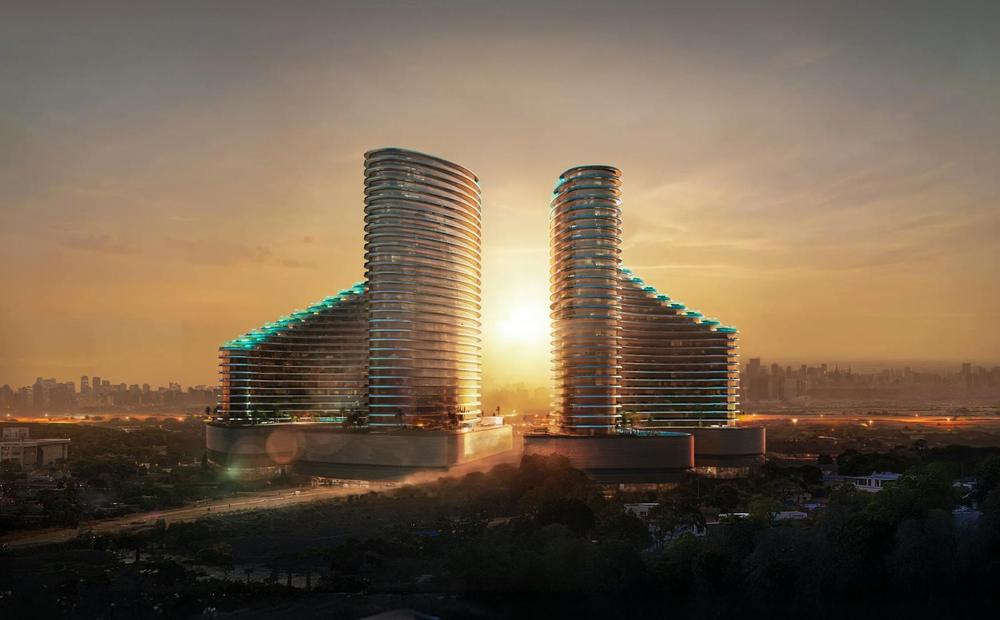 Binghatti Skyflamefrom 585,000 AEDHandover Q4 2027
 Binghatti Titaniafrom 688,999 AEDHandover Q3 2027
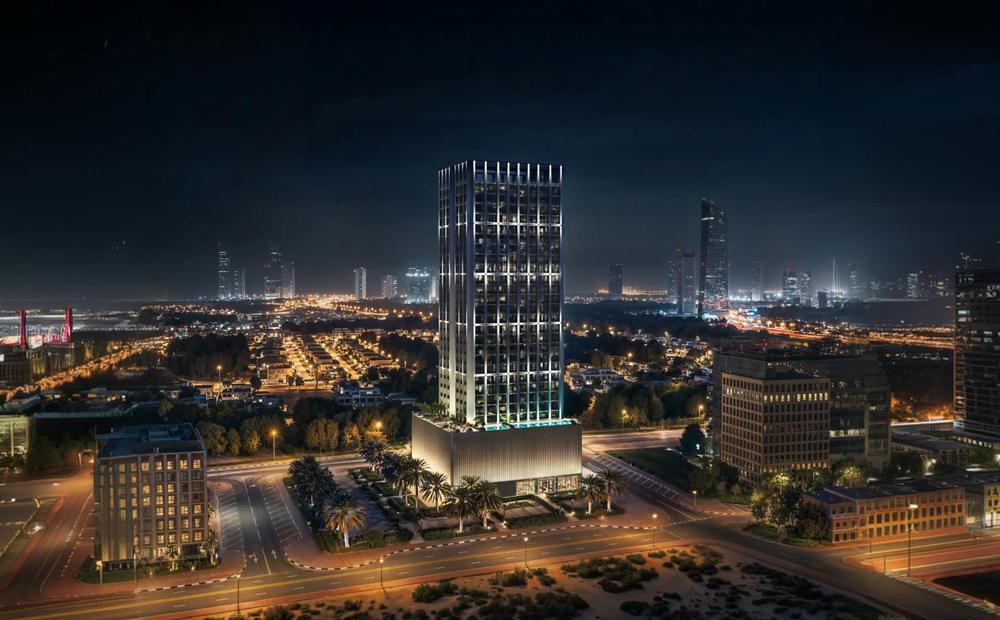 Binghatti Ethereafrom 764,999 AEDHandover Q3 2027
Azizi
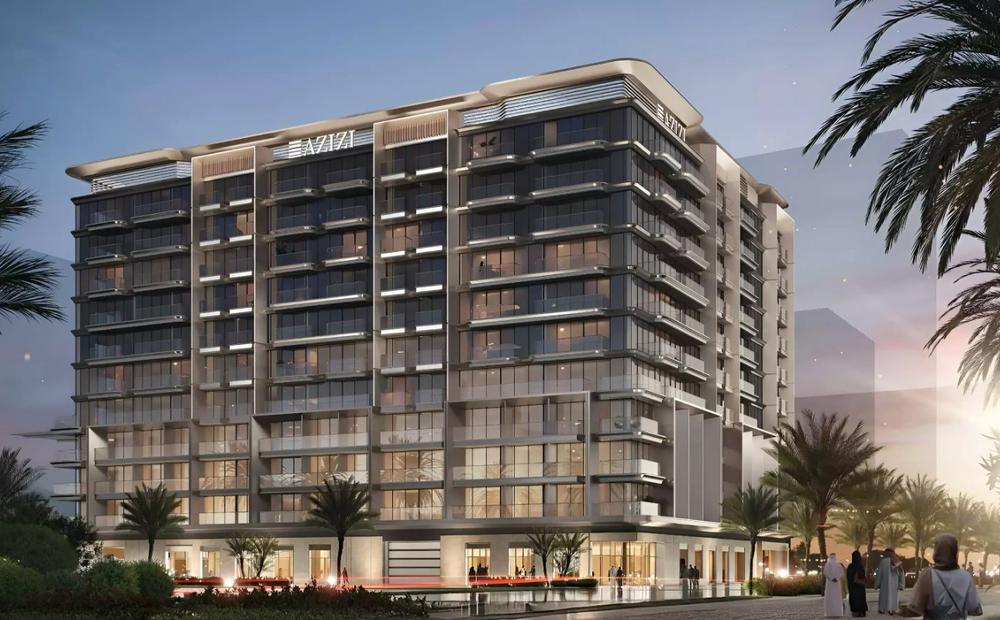 Azizi Waresfrom 555,000 AEDHandover Q1 2028
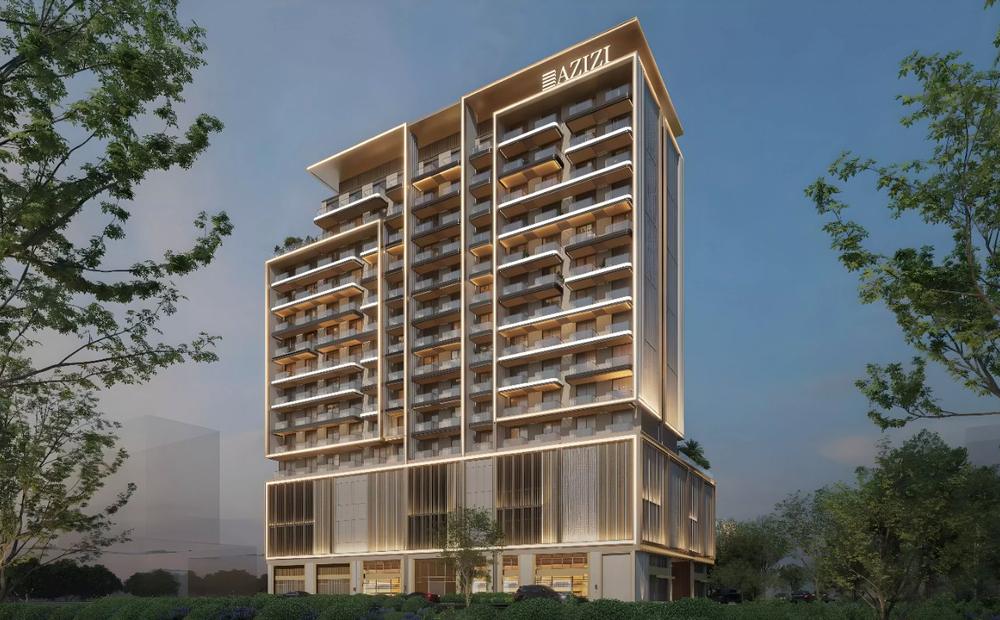 Azizi Gabrielfrom 564,000 AEDHandover Q4 2028
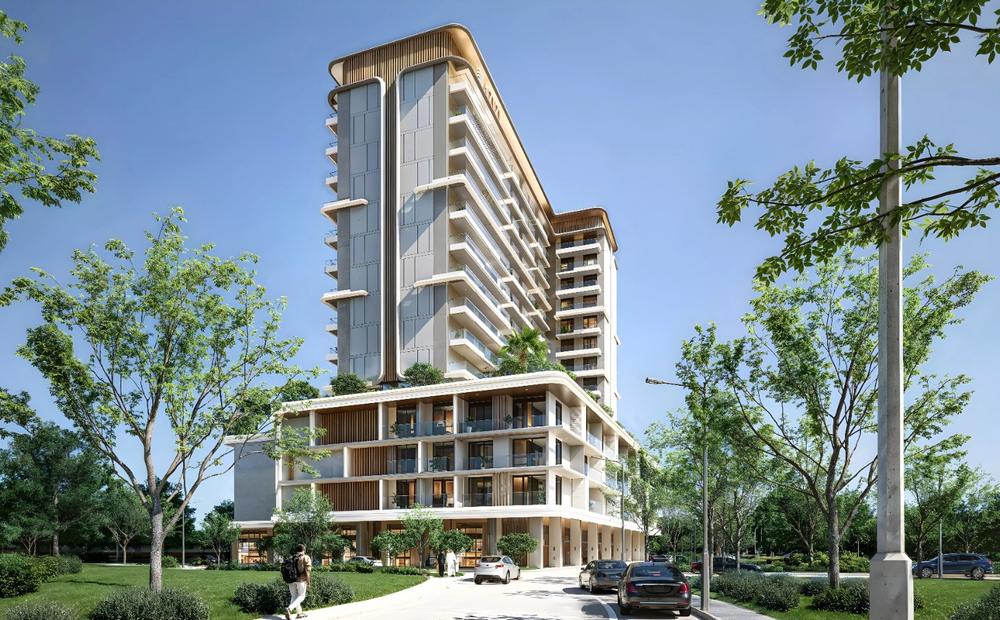 Azizi Nourafrom 570,000 AEDHandover Q4 2027
Emaar
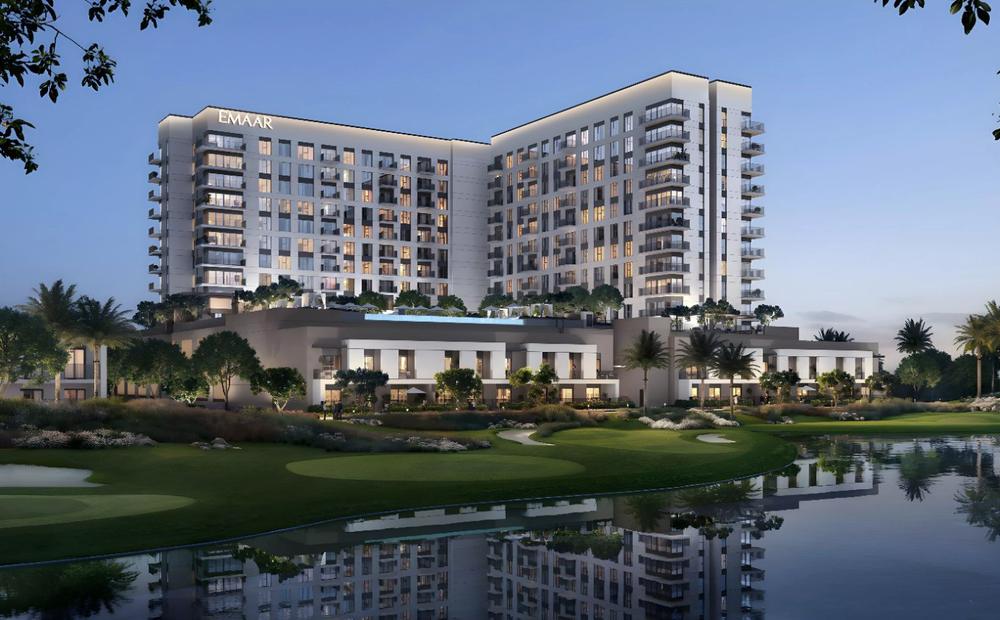 Golf Valefrom 1,100,000 AEDHandover Q1 2030
 Vista Ridge at Emaar Southfrom 1,200,000 AEDHandover Q3 2029
 Golf Trails at Emaar Southfrom 1,250,000 AEDHandover Q4 2030
Sources
- Property Radar, analysis of Dubai Land Department open data, September 2026, read September 2026
- Dubai Land Department, Frequently asked questions, read September 2026
- Dubai Legislation Portal, Law No. 8 of 2007 concerning escrow accounts for real estate development, read September 2026
- Dubai Legislation Portal, Explanatory notes on Article 11 of Law No. 19 of 2017, read September 2026
- Khaleej Times, What are the property buyer's rights in case of delayed off plan project handover, read September 2026